In the past couple month, there has been a lot of interest and excitement around the mini communication book and aided language boards as featured on the blog in October of 2013. I contribute their success to a presentation I heard from Linda Burkhardt regarding Pragmatic Organization Dynamic Display (PODD). She made me think about language in a whole new way!
As I began thinking about our limited language learners in a different light, it was time for me to give them the opportunity to communicate more than just requests. They deserved the right to communicate their needs, wants, and opinions. And thus, PODD books and aided language boards were born.
At first, my own insecurity and inexperience limited my use of the PODD book. As much as I learned at the training, I still felt silly navigating the book and fumbling through the words. But just as a baby or a toddler experiments with language, it was important for me to do the same with PODD books.
I owed it to my limited language learners to get into their worlds and start communicating in a way that they could see and eventually start being a part of themselves.
I say "eventually" because as you might remember from my October 2013 post, we speak to typically developing children for at least 12 months before they respond in a verbal fashion. It takes 12 months of modeling and speaking to them and not getting anything in return! And even when we do get something in return, it is inconsistent at first and in little one or two word chunks like "mama", "dada", and "bye-bye".
So long story short, I was going to have to be patient with the process. Patient with myself and my staff as we learned to communicate using the PODD books and patient with our students as they watched us model its usage and started to dabble in the communication process themselves.
At first, my own insecurity and inexperience limited my use of the PODD book. As much as I learned at the training, I still felt silly navigating the book and fumbling through the words. But just as a baby or a toddler experiments with language, it was important for me to do the same with PODD books.
I owed it to my limited language learners to get into their worlds and start communicating in a way that they could see and eventually start being a part of themselves.
I say "eventually" because as you might remember from my October 2013 post, we speak to typically developing children for at least 12 months before they respond in a verbal fashion. It takes 12 months of modeling and speaking to them and not getting anything in return! And even when we do get something in return, it is inconsistent at first and in little one or two word chunks like "mama", "dada", and "bye-bye".
So long story short, I was going to have to be patient with the process. Patient with myself and my staff as we learned to communicate using the PODD books and patient with our students as they watched us model its usage and started to dabble in the communication process themselves.
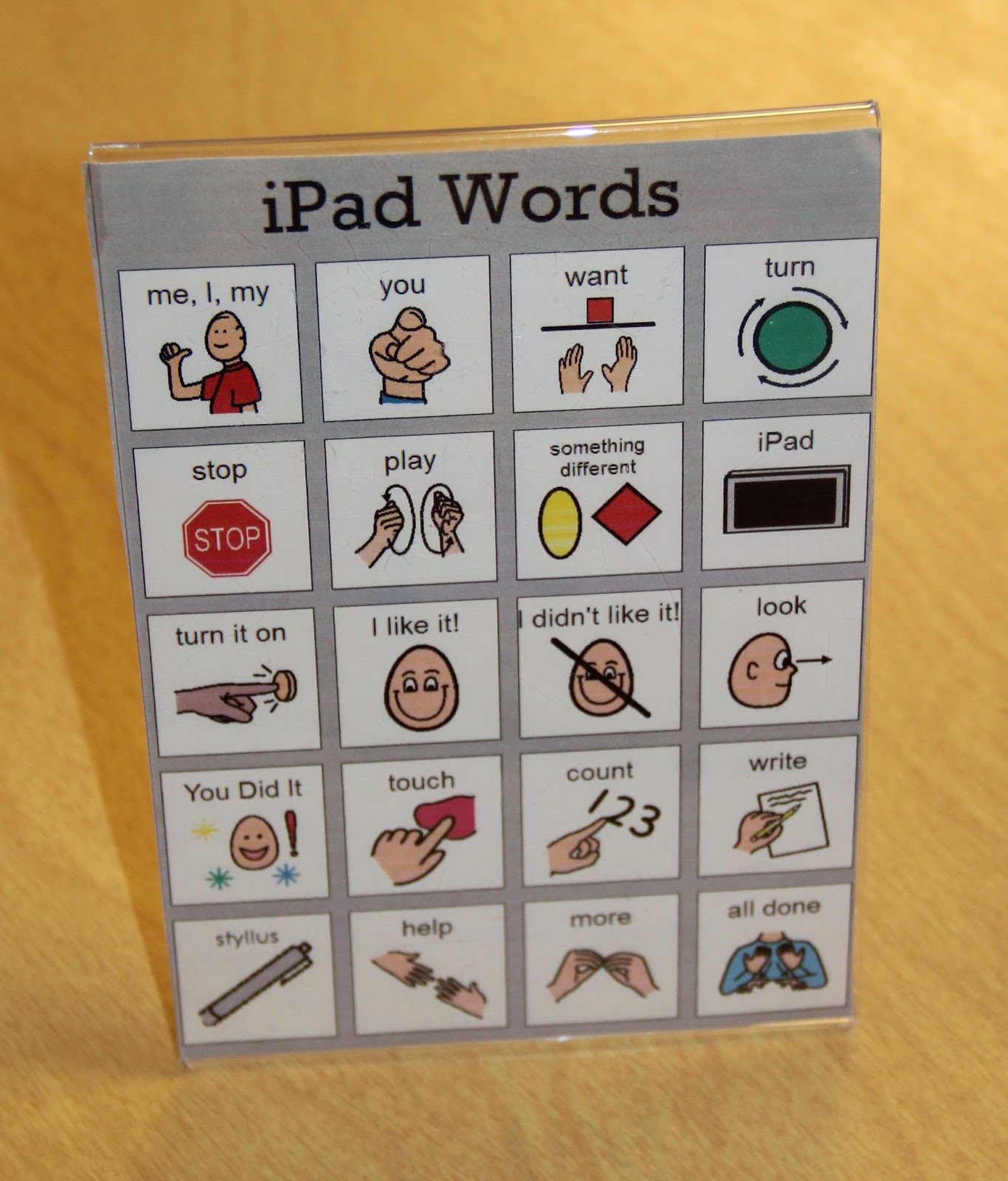
For those of you who know me, you know that patience is not my strong suit. I want to see progress and I want to see progress quickly. There is no time to lose! So as my staff and I started dabbling in communicating with the PODD books, we also began carrying a core word sheet in our aprons to support our kids in communicating.
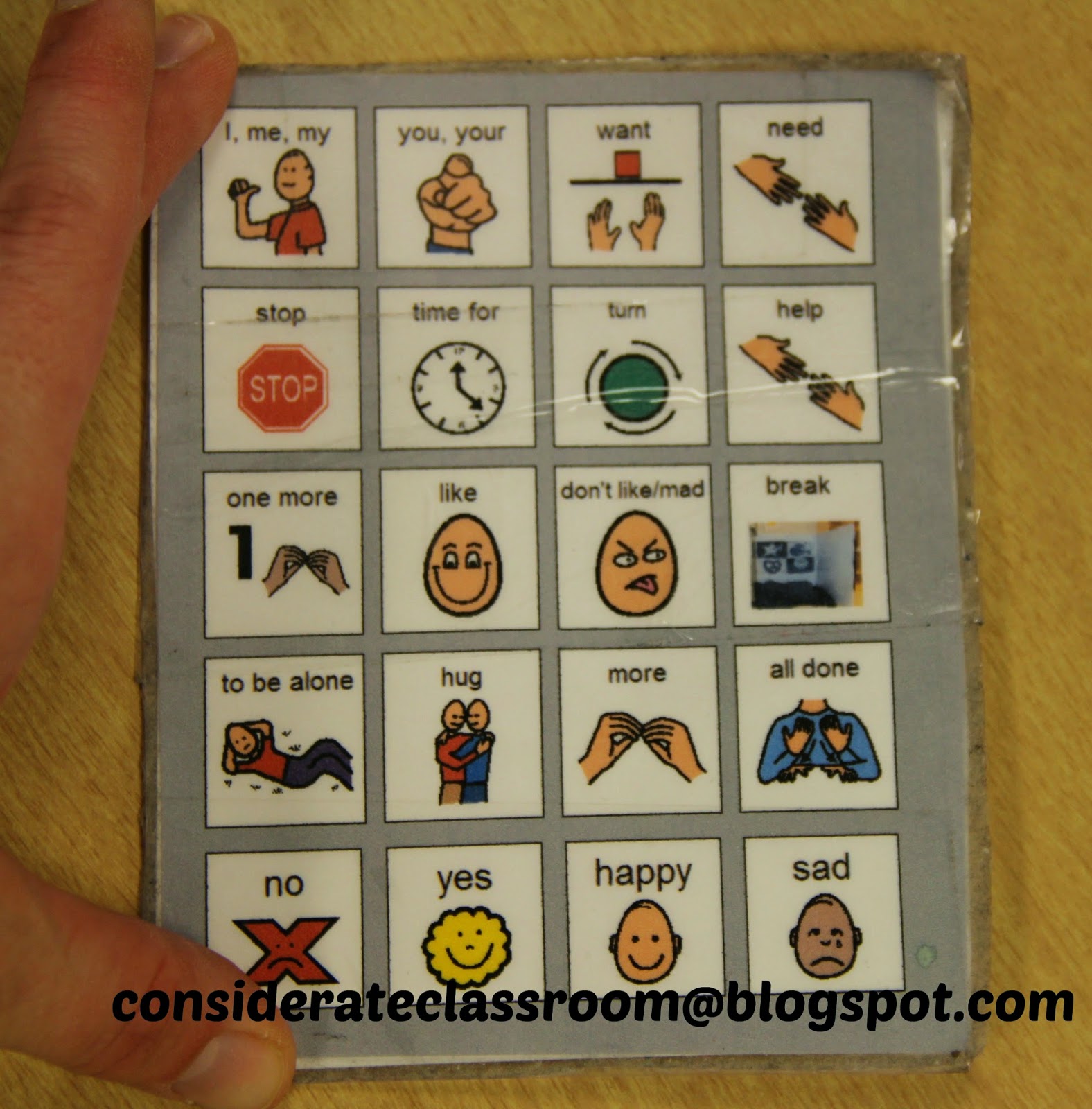
We were much more fluent in using the sheet than the PODD book so our students were able to pick up on using it pretty quickly. By December of our first implementation year, we noticed the kids needed more. They were acting out and behaviors were off the charts!!
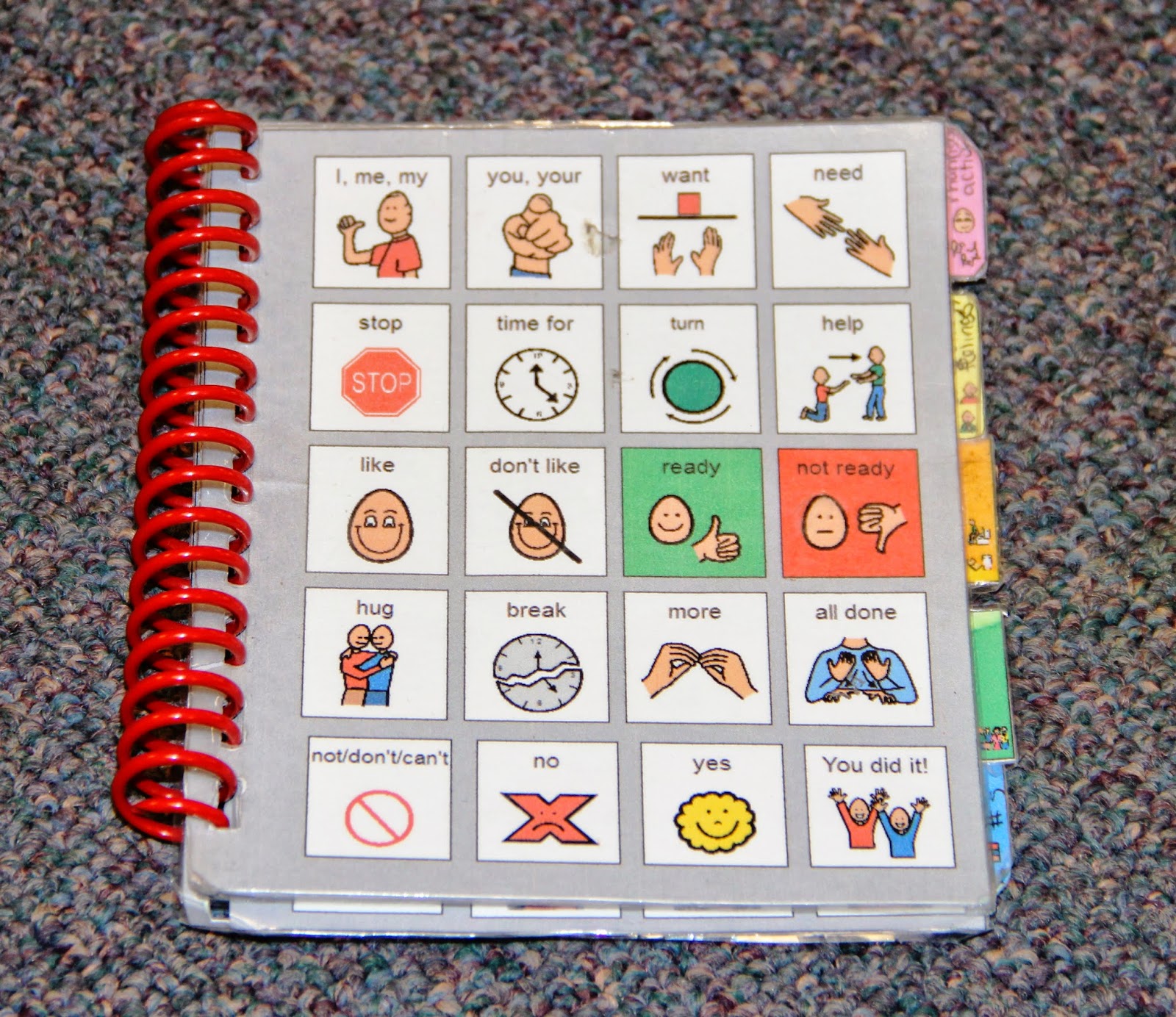
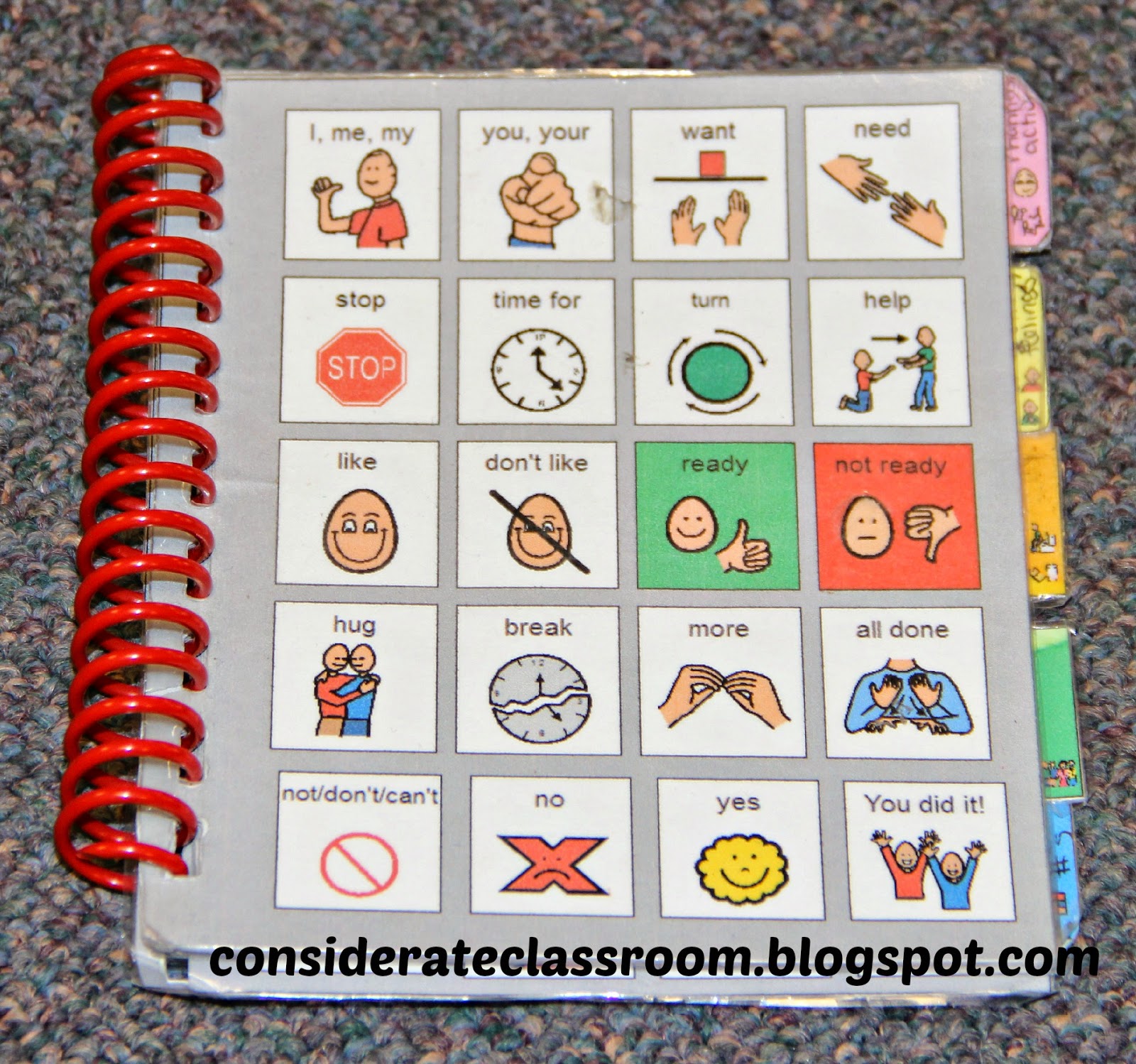
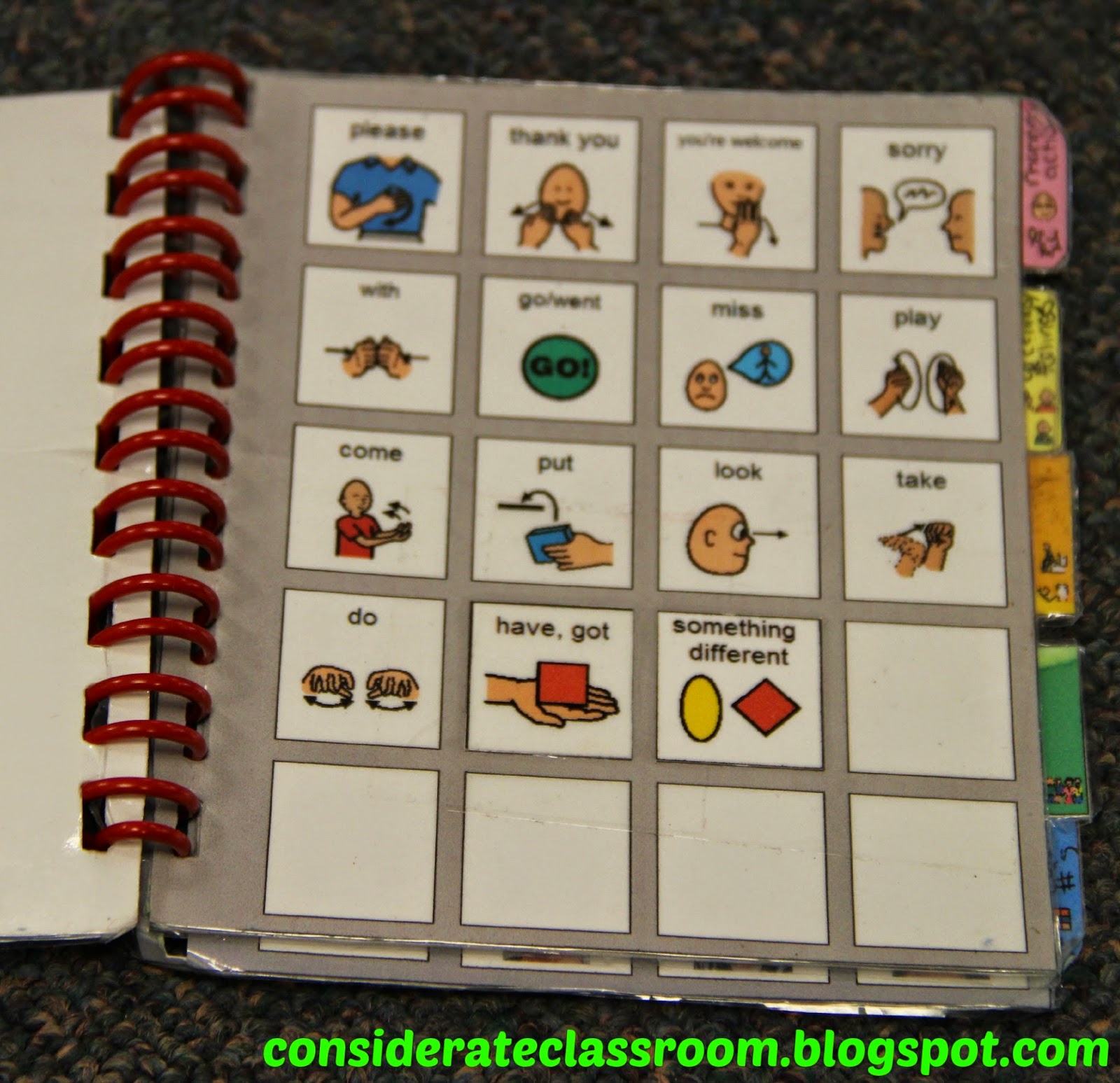
In that moment, I had to reframe the behavior. I remembered from early trainings with TASN-ATBS that behavior is communication. The kids were trying to communicate but they didn’t have enough words to do it so as you might remember from my earlier post, we created a 5 page mini-communication book.

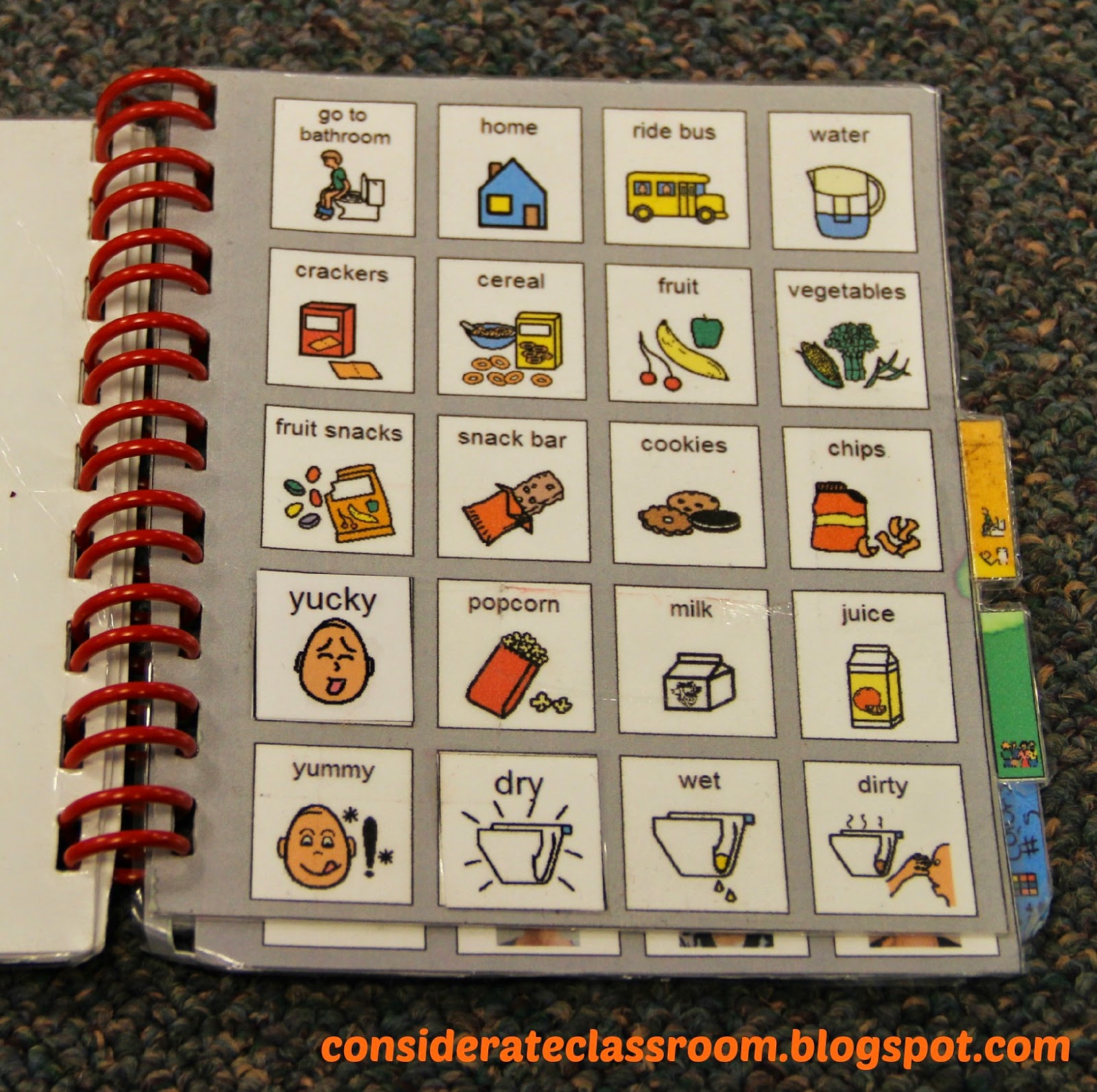
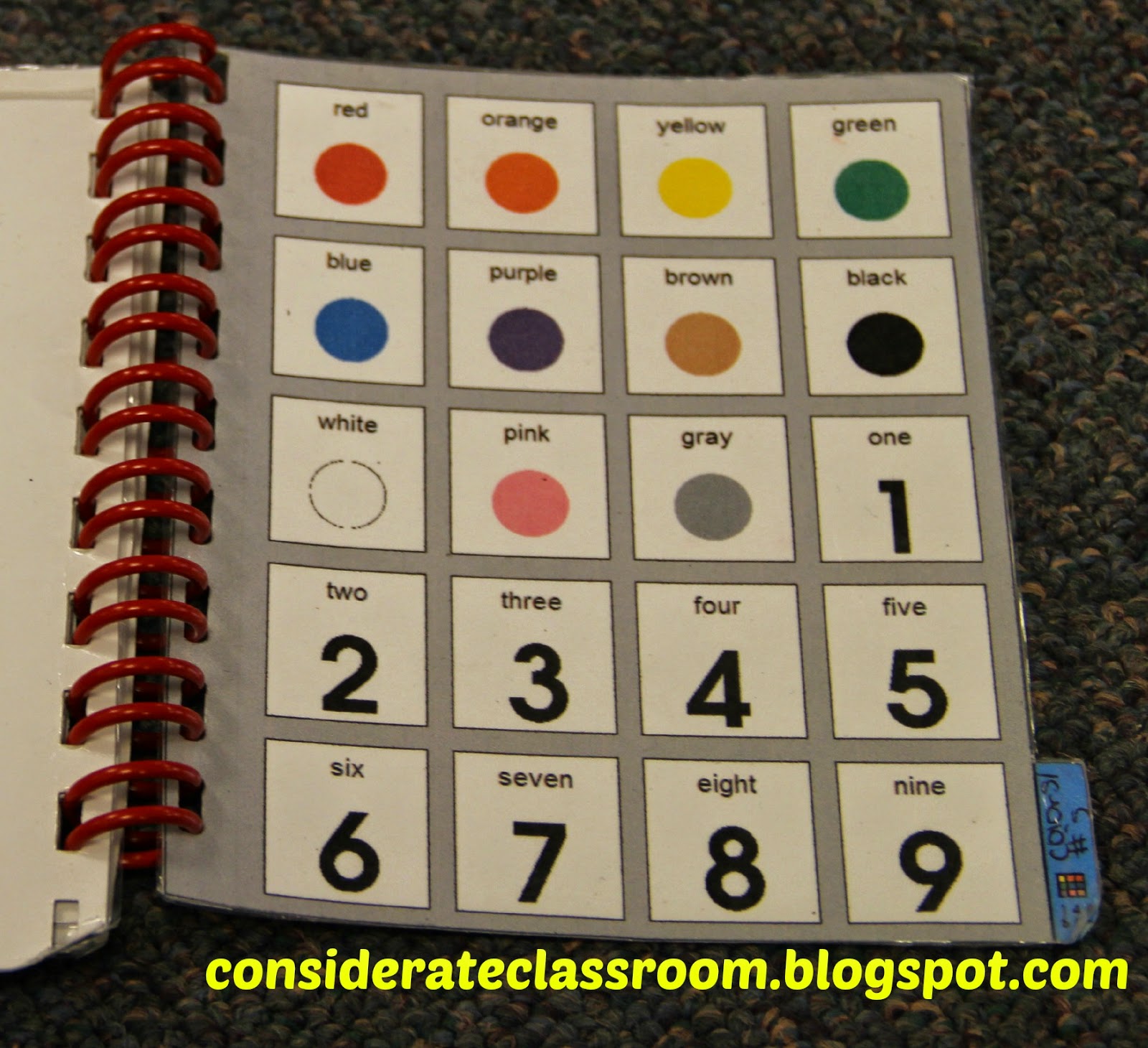
We were much more fluent in using the sheet than the PODD book so our students were able to pick up on using it pretty quickly. By December of our first implementation year, we noticed the kids needed more. They were acting out and behaviors were off the charts!!
In that moment, I had to reframe the behavior. I remembered from early trainings with TASN-ATBS that behavior is communication. The kids were trying to communicate but they didn’t have enough words to do it so as you might remember from my earlier post, we created a 5 page mini-communication book.
Page One: Core Words
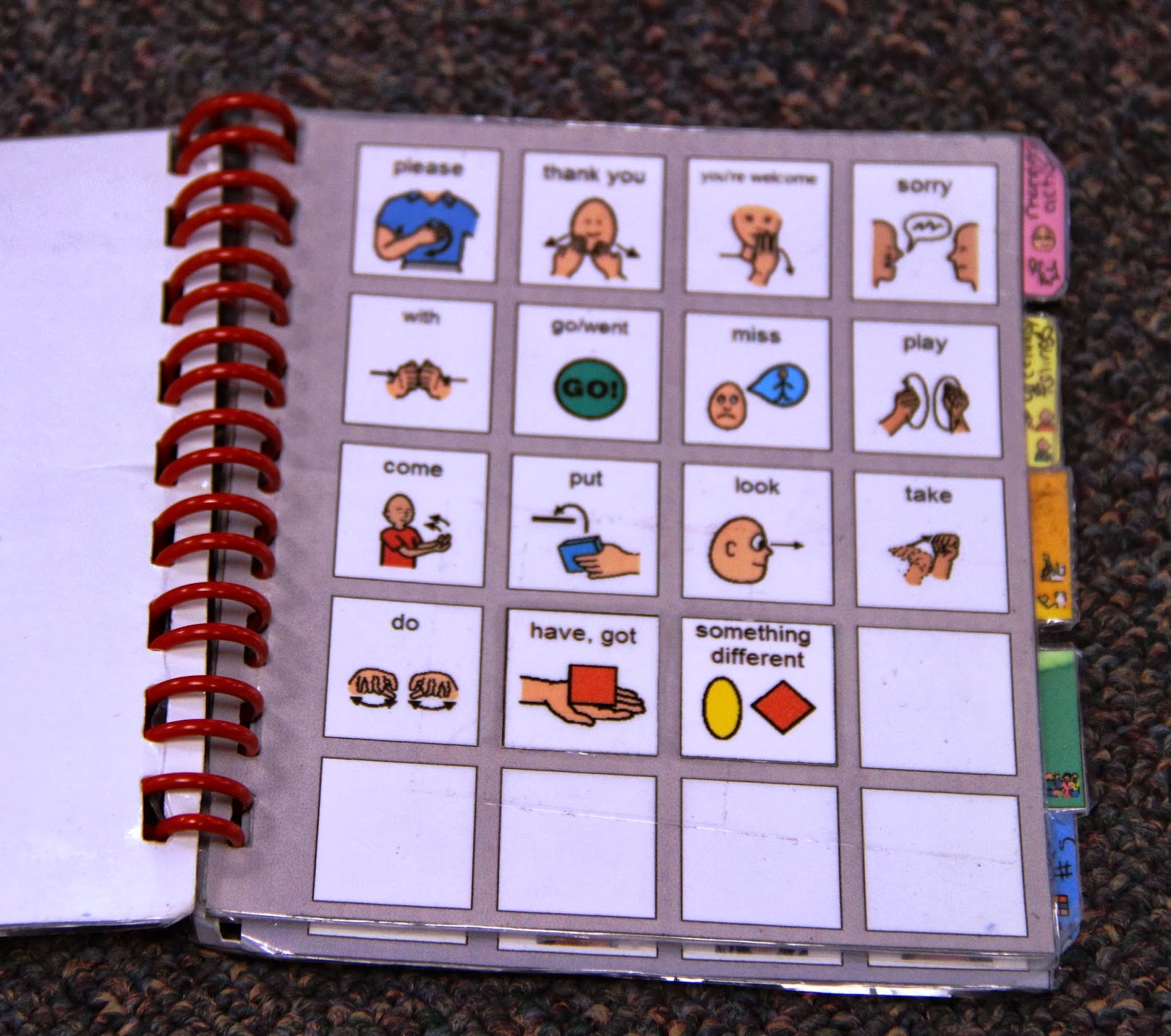
Page Two: Manners & Action Words

Page Three: Greetings & Feeling Words
Page Four: Food & Hygiene
NOTE: Page five is not available as it is the people page
with specific photos of staff and students.
Page Six: Colors & Shapes
You can access the mini-language book in the Boardmaker Online Community. NOTE: Boardmaker has recently changed it's look and features a bit to better meet the needs of educators. Feel free to use and change this template under Boardmaker Share to meet your students' needs. You can get the coil spiral binding at Binding Depot. If you do not have access to Boardmaker and/or you are interested in the updated version check out this product on Teachers Pay Teachers.
You may also remember that from the 5 page mini-book came a little language cuff for one of our little gals. She was in love with the 5 page mini-book and would try to take it from our staff aprons as she jabbered and pointed. At first this made my staff and I reluctant to keep the mini-language books in our aprons as her behavior was such a distraction for herself and others, but then as my speech path and I were talking we began to reframe her behavior. She was trying to COMMUNICATE and we would be doing her an injustice if we took her voice away.
So we changed our perspective. We often reminded ourselves that although she had limited verbal language, her behavior of grunting and pull on any and all language boards she could get her hands on was a bit disruptive...However, it was her way to communicate! She had soooo much social communication in her just bursting to come out! She was and still is a little social butterfly. She just needed a way to get it out. And lucky for you, her parents have given me permission to share her journey with aided language supports.
It's my pleasure and pure delight to bring you...Miss Lilly!
This video is of Lilly the first time she attempted to use her language cuff. Notice the cuff was Prototype 1.0. It was a toilet paper tube and in hindsight not the right fit. It was not flexible enough for her little arm and it got wet every time she washed her hands.
After recognizing the concept of the original language cuff was good but not functional, we moved on to Prototype 2.0, a very high-tech cutoff tube sock with the words hot glued to the outside.
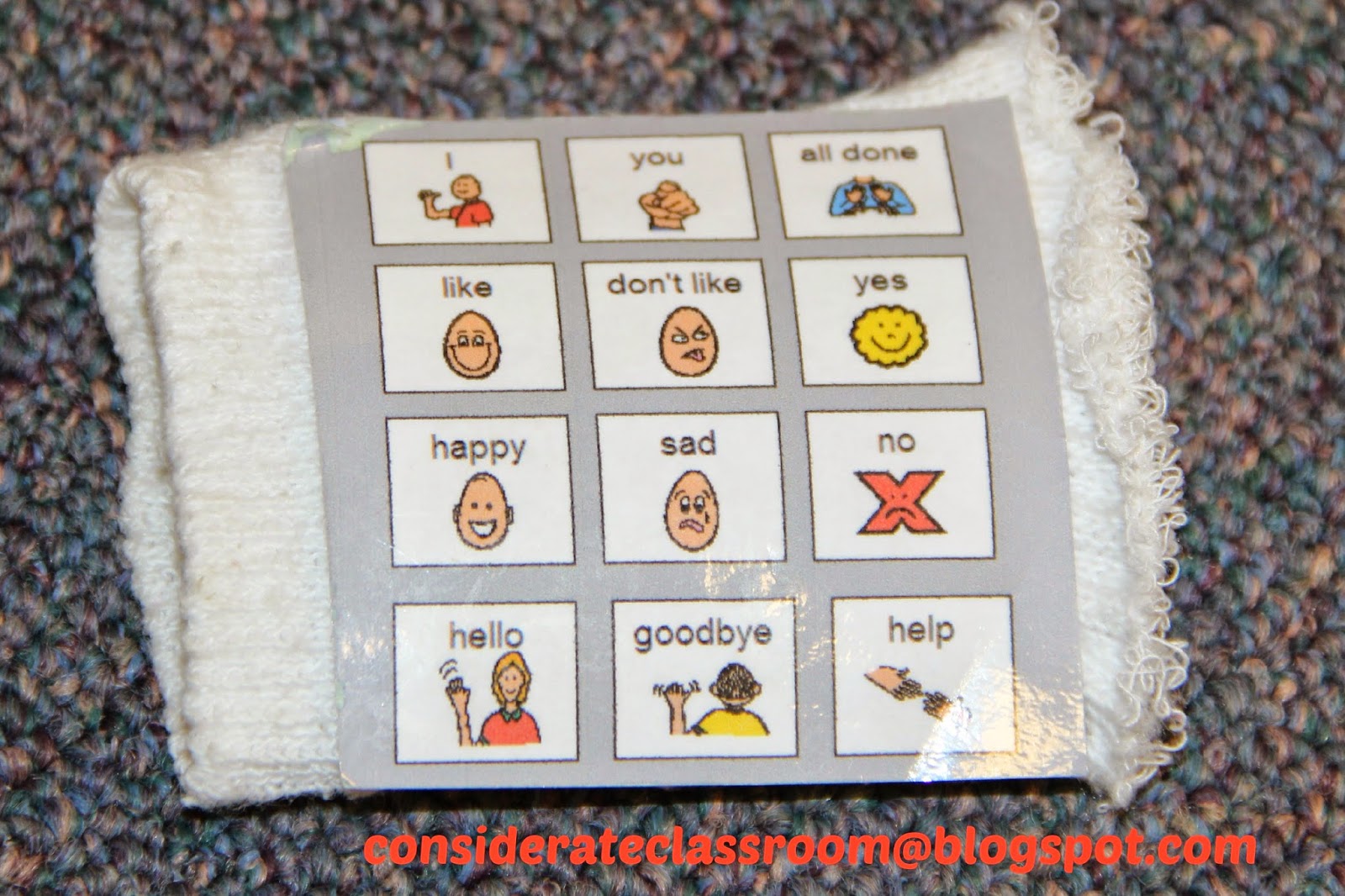
This version was function for communication purposes but did not fit Miss Lilly's very fashionable style so one of my fabulously talented paras, Miss Molly, created Little Miss Lilly this very high fashion cuff. She knitted it with a plastic pocket insert in which we could change out the words as needed.


It was such a hit that her mom asked Miss Molly to make her two more as Christmas gifts. What a great idea, Mom! There is no better gift than the gift of communication! :)
At first, the words on Lilly's language cuff were just enough. She used it to communicate she wanted to be "all done", wanted more, needed help, or was sad, happy or mad. But in May behaviors returned, Lilly communicated with all her being that she needed more words. She would touch sad or just continually tab the cuff in frustration with no functional means. Lilly wanted and needed more words!
To make the added words functional and purposeful for Lilly, we incorporated her interests and strengths. Lilly's has a strong interest in interaction with others. She likes to greet people, interact socially, sing, and go on functional walks in the hallway. So purposely, we added communication pages to her cuff that would be motivating for her to use.
We added a social page in which Lilly could greet people, ask how they were, what their name is and tell them what her name is.

And then a page in which she could communicate her need to be all done, and move onto preferred activities such as delivering tools to the janitors room, delivering mail, or singing with teachers.

These additions are pretty specific and not necessarily general enough for her cuff at home. They were created to motivate her to use her communication device and turn pages to get what she wants. As she starts to get the hang of it, more words will be added and then eventually she will move to a full PODD book as the language cuff is set up in the same turn-the-page fashion as a PODD book.
As you can see by looking at page one of the language cuff, it has colored tabs for turning and a "more to say" icon in the upper right corner.

Note: That my staff and I continue to model the PODD book alongside Lilly's language cuff so when she is ready to manage more words we can move to her own PODD book.
In the beginning, we granted any request she communicated with her cuff but as time went on we set limits using the later and time to work icons on her cuff. For example, if she communicated that she wanted to sing during direct instruction or small group learning rotations, we would honor her communication by saying you want to sing, then we would point and say "sing later, work first."
Here's Lilly in action again the first day she was given her cuff with more pages and words.
WOW! Right?? She is a rock star!! And you haven’t seen anything yet. On the second to last day of school (last May), Lilly surprised me with this amazing play session.
For specifics about the play kit in this video click here.
What a great way to end the year! And for me who moved on from the classroom over the summer it was bittersweet. I know that her amazing family and teachers will continue to help her grow and expand her communication skills but I am totally sad that I won’t be in the frontlines to witness her greatness. Her love and enthusiasm to communicate and be social are contagious. I would like to thank Lilly's parents for allowing me the opportunity to share her enthusiasm with all of you!!
Take her enthusiasm and run with it in your own journey with verbal and aided-language communication!
Best,
Lindy